Home & Life
Planning the Next 10 Years in Midlife When You’re Time‑Poor
1. Reassess Your Diet Right, let’s talk food. As we hit midlife, our bodies start doing their own thing, and sometimes, that means our usual grub doesn’t quite hit the spot like it used to. You might find yourself feeling a bit sluggish, or maybe that favourite meal now leaves you feeling bloated. It’s not […]
By Lucy · 1 June 2025
1. Reassess Your Diet
Right, let’s talk food. As we hit midlife, our bodies start doing their own thing, and sometimes, that means our usual grub doesn’t quite hit the spot like it used to. You might find yourself feeling a bit sluggish, or maybe that favourite meal now leaves you feeling bloated. It’s not about drastic diets; it’s more about being a bit smarter with what fuels you.
Think about swapping out the white bread and pasta for their wholemeal cousins. They’re packed with fibre, which is brilliant for keeping things moving smoothly and keeping you fuller for longer. Load up on colourful fruits and veggies too – they’re like little powerhouses of goodness. And don’t forget protein and calcium for those bones and muscles that are working hard.
It’s also a good time to check in with how you actually feel about food. Are you reaching for biscuits when you’re stressed? Or maybe feeling a bit rubbish about yourself after a big meal? Just noticing these patterns is the first step to changing them.
Here are a few simple swaps to consider:
- Refined carbs (white bread, pasta, sugary cereals) to Whole grains (wholemeal bread, brown rice, oats)
- Sugary drinks (fizzy pop, fruit juices) to Water, herbal teas, or sparkling water with a splash of fruit
- Processed snacks (crisps, biscuits) to Fruit, nuts, seeds, or plain yogurt
Being mindful of your eating habits doesn’t mean you can never enjoy a treat. It’s about finding a balance that makes you feel good, both physically and mentally, most of the time.
2. Prioritize Self-Care
Right, let’s talk about you for a minute. In the whirlwind of life, especially when you’re juggling a million things, it’s easy to put yourself last. But honestly, you can’t pour from an empty cup, can you? Making time for yourself isn’t selfish, it’s essential. Think of it like putting on your own oxygen mask before helping others.
What does self-care actually look like when you’re time-poor? It’s not about week-long spa retreats (though wouldn’t that be nice?). It’s about small, consistent actions that refuel you.
Here are a few ideas to get you started:
- Quiet moments: Even five minutes with a cuppa, no phone, no distractions. Just breathe.
- Movement that feels good: Forget punishing workouts. A gentle walk, some stretching, or dancing in the kitchen counts.
- Saying ‘no’: It’s a complete sentence, and it’s your best friend when you’re stretched thin.
- Nourishing food: Simple, healthy meals that give you energy, not a slump. Think easy prep, big flavour.
It’s about finding those little pockets of peace and joy in your day. These aren’t luxuries; they’re the building blocks for feeling good, mentally and physically. Don’t wait until you’re running on fumes to start looking after yourself.
Remember, looking after your physical health, like eating well and getting enough sleep, has a massive knock-on effect on your mental well-being. It’s all connected, isn’t it?
3. Maintain A Sense Of Purpose
Life throws curveballs, doesn’t it? Sometimes, big changes like kids leaving home, a career shift, or even just the feeling that time’s ticking can leave you wondering, ‘What’s it all for?’ It’s easy to feel a bit adrift. But honestly, your best years aren’t behind you. It’s more about finding what makes you tick now.
Think about things you used to love doing. Remember that guitar gathering dust? Or that painting kit you never opened? Now’s the time to pick them up again. It’s not just about nostalgia; it’s about reconnecting with a part of yourself you might have forgotten.
Or maybe it’s time for something completely new. Fancy learning a few phrases in Italian? Or perhaps trying your hand at pottery? Even small new challenges can give your brain a good workout and open up new avenues. It doesn’t have to be a huge commitment – a local evening class or a weekend workshop can be a great start.
- Rediscover old passions. What did you enjoy before life got so busy?
- Try a new skill. Photography, writing, coding – anything that sparks your interest.
- Explore your local area. Visit new parks, museums, or historical sites.
Finding purpose isn’t about a grand, life-altering revelation. It’s often found in the small, consistent actions that bring you joy and a sense of contribution.
It’s about actively choosing what gives your days meaning. Whether it’s through a hobby, learning something new, or even just helping out a neighbour, finding that ‘why’ makes all the difference.
4. Practice Gratitude
It’s easy to get caught up in what’s not going right, especially when life feels hectic. But taking a moment to appreciate what you do have can make a big difference. Think about the small stuff, like a good cup of tea or a sunny afternoon. Don’t forget the bigger things too – your friends, your family, a roof over your head.
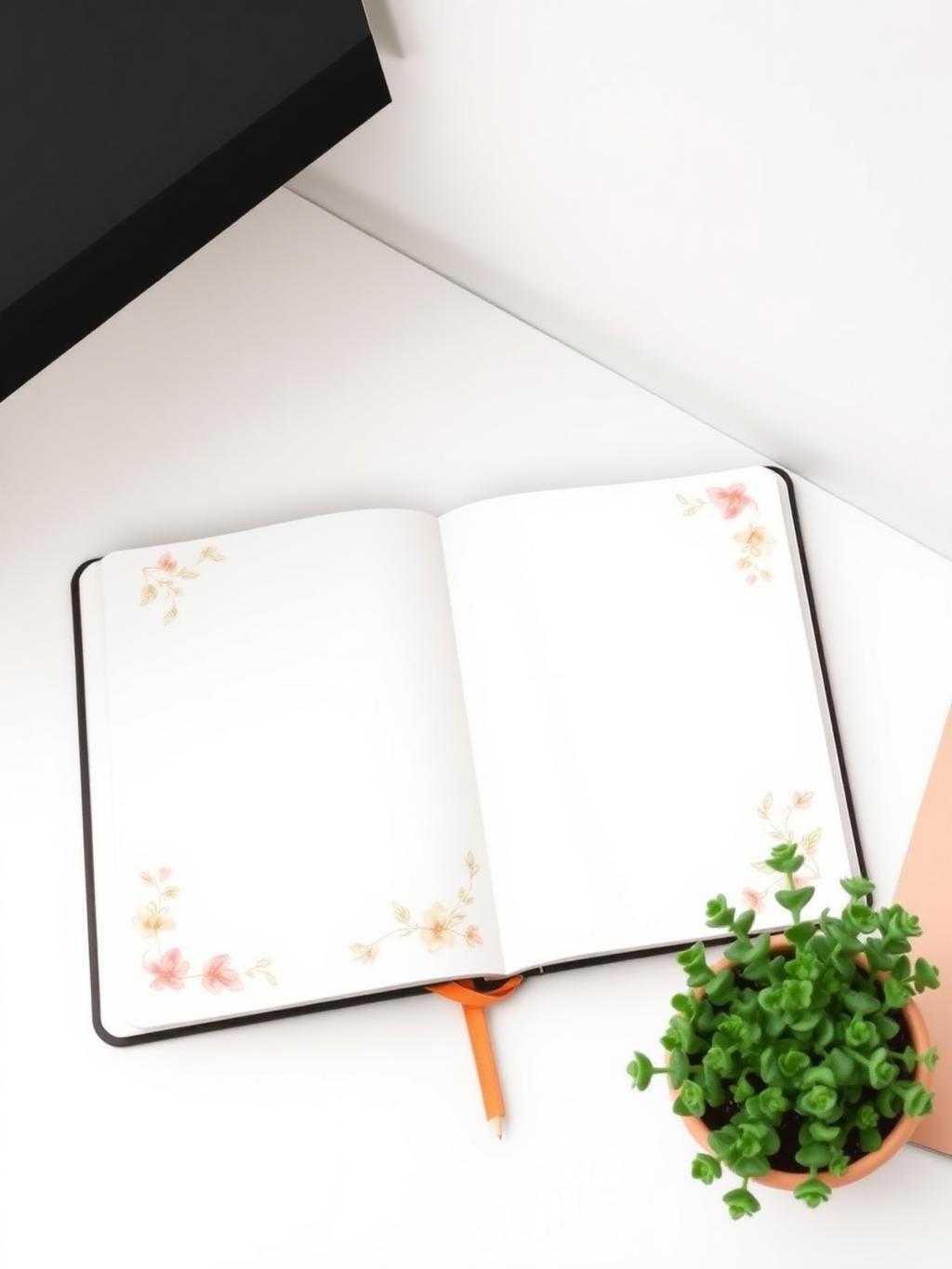
Try keeping a little notebook by your bed. Each night, jot down three things you’re thankful for. It doesn’t have to be profound. Maybe it’s that your commute was easy, or you had a nice chat with a colleague. Over time, you’ll build up a collection of good things.
- A supportive friend who always listens.
- The comfort of your home.
- A skill you’ve mastered.
- A moment of peace.
Focusing on the good, even when things are tough, can really shift your perspective. It’s like tuning a radio – you can choose to listen to the static, or you can find the clearer station.
It’s not about ignoring problems, but about balancing them with the positives. This simple habit can help you feel more content and less overwhelmed by the daily grind.
5. Set Realistic Exercise Goals
Right, let’s talk about moving our bodies. Midlife can throw a few curveballs, can’t it? Maybe you’re not bouncing back like you used to, or that 5k you once ran feels like a marathon now. The key here is not to get disheartened. It’s about finding movement that works for you, right now.
Forget trying to relive your glory days or keeping up with someone else’s Instagram feed. If you’re new to exercise, start small. A brisk walk around the block, a gentle yoga session, or even just taking the stairs more often. Gradually build up from there. If you were a gym bunny or a sports star back in the day, it’s tempting to push yourself hard. But listen to your body. It’s changed, and that’s okay. Focus on how exercise makes you feel, not just what you can lift or how fast you can run.
Think about what you want to achieve:
- Boost your mood and energy levels.
- Sleep a bit better at night.
- Keep your joints and muscles feeling good.
- Help manage your weight.
- Reduce the risk of certain health issues.
Here’s a simple way to approach it:
- Start Small: Don’t aim for an hour-long gym session if you’re currently doing nothing. 15-20 minutes is a great start.
- Be Consistent: Aim for a few times a week rather than one massive effort.
- Listen In: Pay attention to how your body feels. Rest when you need to, and don’t push through pain.
- Mix It Up: Try different activities to keep things interesting and work different muscles.
It’s easy to get caught up in what we should be doing, or what we used to do. But midlife is a time for adapting. Finding joy in movement, whatever that looks like for you, is the real win. It’s not about perfection; it’s about progress and feeling good in your own skin.
6. Embrace Community Activities
Feeling a bit disconnected or like you’re just going through the motions? Getting involved in your local community can be a real game changer. It’s not just about filling time; it’s about finding a place to belong and contribute.
Think about what matters to you. Is it helping kids, animals, the environment, or perhaps supporting local arts? There are loads of ways to get stuck in.
- Volunteer your skills: Offer your time and talents to a cause you care about. This could be anything from helping out at a local charity shop to using your professional skills for a non-profit. It’s a fantastic way to feel useful and meet like-minded people.
- Join a local club or group: Whether it’s a book club, a walking group, a gardening society, or a choir, these groups offer regular social interaction and shared interests.
- Participate in local events: Attend community fairs, festivals, or workshops. Even just showing up can make you feel more connected to where you live.
Finding purpose through giving back is incredibly rewarding. It shifts your focus outwards and can bring a fresh perspective to your own life. Plus, you’ll likely discover new friendships and a stronger sense of belonging.
Getting involved doesn’t have to be a huge commitment. Start small. Even an hour a week can make a difference, both to the community and to your own well-being. It’s about finding that sweet spot where you can contribute without feeling overwhelmed.
Consider looking into local opportunities for volunteering. It’s a brilliant way to connect with others and make a tangible difference.
7. Listen Without Judging
It’s easy to jump in with advice or our own experiences when someone opens up. But sometimes, people just need to be heard. In midlife, with all the changes happening, we might find ourselves talking more, or perhaps listening more to others. When a friend, partner, or even a grown-up child shares something, try to just let them speak. Don’t interrupt with ‘I told you so’ or ‘You should do this.’
The goal is to offer a safe space for them to express themselves.
Think about it: how often have you just wanted someone to nod and say, ‘That sounds tough,’ without them trying to fix it? It’s a skill, and like any skill, it takes practice. We’re all carrying our own stuff, and it’s tempting to relate everything back to ourselves. But for a moment, try to set that aside.
Here’s a simple way to approach it:
- Pay attention: Put down your phone, make eye contact.
- Don’t interrupt: Let them finish their thoughts, even if there are pauses.
- Ask clarifying questions: ‘How did that make you feel?’ or ‘What happened next?’ rather than ‘Why did you do that?’
- Validate their feelings: ‘It makes sense you’d feel that way’ or ‘That sounds really frustrating.’
We often think we’re helping by offering solutions, but sometimes the greatest help is simply being present and truly listening. It builds trust and strengthens connections, which is something we all need more of as we get older.
8. Reframe Setbacks As Opportunities
Right, let’s talk about when things don’t go to plan. Because, let’s be honest, in midlife, they often don’t. You might have a career goal that suddenly feels out of reach, or a personal project that just fizzles out. It’s easy to feel a bit deflated, isn’t it? But what if we looked at these moments differently?
Think about it. That job you didn’t get? Maybe it means a different, better path is opening up. That hobby you tried and weren’t great at? Perhaps it taught you patience or showed you what you don’t want to do. Every ‘failure’ is just a detour, not a dead end.
Here’s a thought:
We often learn more from what doesn’t work than from what does. It’s in the trying, the stumbling, and the picking ourselves back up that we really grow. Don’t let a wobble stop you from walking.
Consider these points:
- New Skills: A setback can be the perfect nudge to learn something completely new. Maybe you need to upskill for a different role, or perhaps you’ve discovered a hidden talent you never knew you had.
- Resilience Boost: Each time you face a challenge and come through it, you build your inner strength. It’s like a muscle; the more you use it, the stronger it gets.
- Perspective Shift: Sometimes, not getting what you thought you wanted makes you realise what you truly value. It can clarify your priorities.
The key is not to avoid setbacks, but to change how you react to them. Instead of dwelling on the disappointment, ask yourself: ‘What can I learn from this?’ or ‘What new direction does this point me in?’ It’s a subtle shift, but it makes all the difference.
9. Spend More Time Together
Life gets busy, doesn’t it? Between work, family, and just trying to keep on top of things, it’s easy for quality time with loved ones to slip down the priority list. But in midlife, when things can feel a bit unsettled, making time for the people who matter most is actually really important.
Think about it. Who are the people you want to share your successes and your struggles with? It’s probably your partner, your close friends, maybe your kids if they’re still around. These are the folks who ground you.
Making a conscious effort to connect more often can make a huge difference. It doesn’t have to be grand gestures. It could be as simple as:
- Sharing a cuppa and a chat without distractions.
- Going for a walk together, even if it’s just around the block.
- Cooking a meal together instead of everyone fending for themselves.
- Watching a film or a show you both enjoy.
It’s about creating those little pockets of connection. If your partner is trying out a new hobby, see if you can join in sometimes. Or maybe you could suggest a regular date night, even if it’s just a takeaway and a board game at home.
Sometimes, the most profound way to support someone is simply by being present. It’s about showing up, listening, and reminding them they aren’t going through this alone. These shared moments build a stronger foundation for whatever comes next.
Don’t underestimate the power of shared experiences, big or small. They’re the glue that holds relationships together, especially when life throws a few curveballs.
10. Adjust Your Perception Of Midlife
Right, let’s talk about midlife. It’s easy to get caught up in the ‘crisis’ narrative, isn’t it? All doom and gloom about slowing down and ‘what ifs’. But honestly, it’s just another chapter, and how we see it makes all the difference.
This isn’t about getting old; it’s about getting wiser.
Think about it. You’ve probably learned a thing or two by now. You’re likely more decisive, more capable of handling life’s curveballs, and maybe a bit less bothered by what everyone else thinks. That’s not a bad trade-off, is it?
Here are a few ways to shift your perspective:
- Acknowledge your wins: Make a mental (or actual!) list of what you’ve achieved. Big or small, it all counts. Did you raise a family? Build a career? Learn a new skill? You’ve done good things.
- Focus on growth, not decline: Instead of dwelling on what you can’t do anymore, what new things can you learn or try? Maybe it’s a new hobby, a different way of exercising, or even just a new route to the shops.
- Embrace the ‘now’: While it’s natural to reflect, try not to get stuck in the past. What are you enjoying right now? What’s good about your life today?
Society often pushes a negative view of aging, making us feel like we’re past our prime. But that’s just a story. We get to write our own narrative about this stage of life.
It’s about seeing midlife not as an ending, but as a different kind of beginning. A time when you might have more clarity, more freedom, and a better understanding of what truly matters.
So, what now?
Right, so planning the next decade when you feel like you’ve barely got time to blink can feel a bit much, can’t it? But honestly, it’s not about having it all figured out perfectly. It’s more about taking small steps, being a bit kinder to yourself, and remembering that this bit of life, midlife, can actually be pretty good. Focus on what brings you a bit of joy, try not to get too bogged down in what you should be doing, and just keep putting one foot in front of the other. You’ve got this, really.