Wellbeing
Exercise in Midlife When You’re Time‑Poor and Hate the Gym
Finding Joyful Movement When The Gym Isn’t Your Thing Let’s be honest, the thought of the gym can be a bit much. Maybe it’s the crowds, the equipment, or just the general vibe. Whatever it is, if the gym isn’t your happy place, that’s totally fine. You’ve got permission to ditch it. The goal here […]
By Lucy · 16 December 2025
Finding Joyful Movement When The Gym Isn’t Your Thing
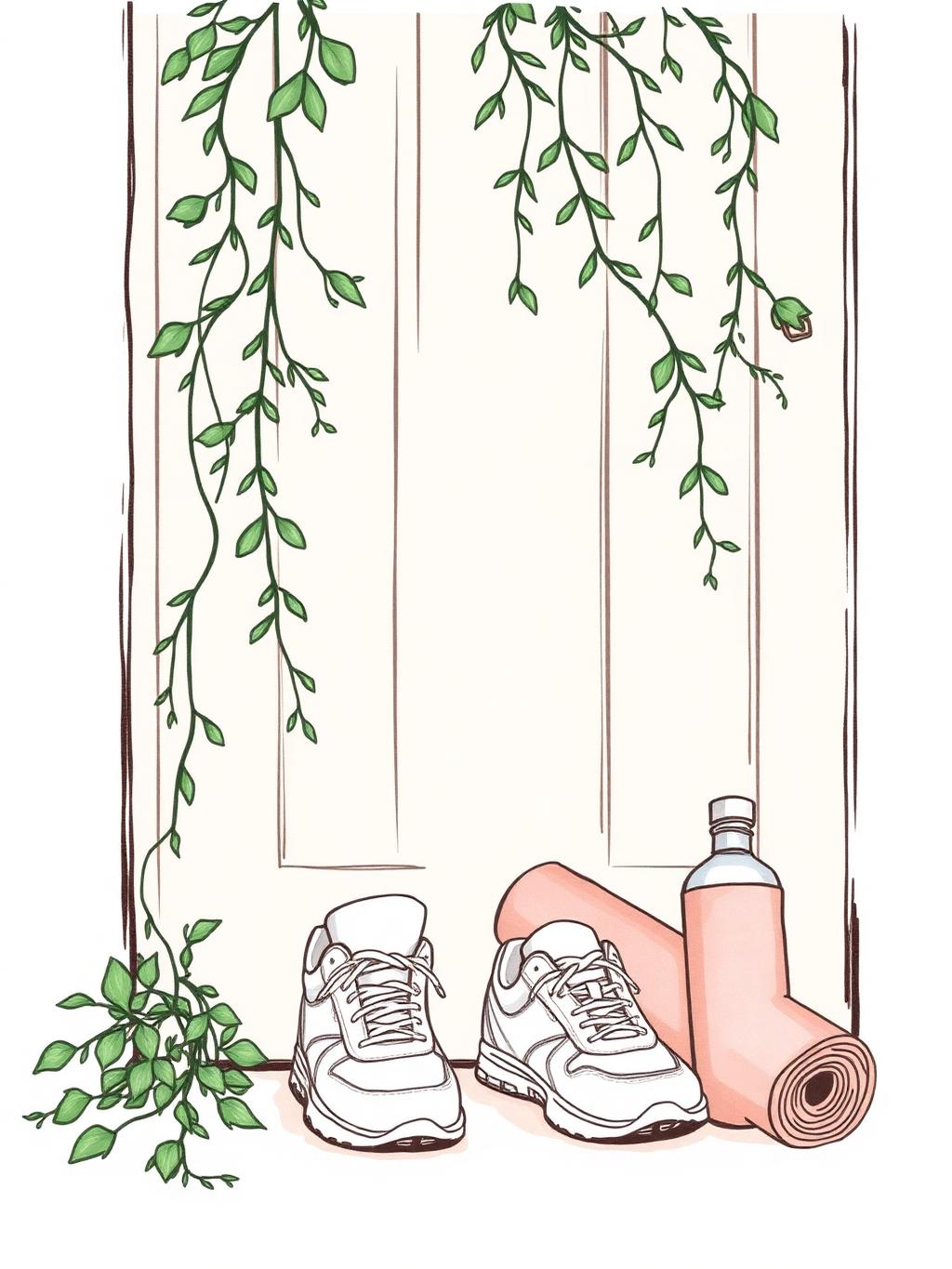
Let’s be honest, the thought of the gym can be a bit much. Maybe it’s the crowds, the equipment, or just the general vibe. Whatever it is, if the gym isn’t your happy place, that’s totally fine. You’ve got permission to ditch it. The goal here is movement that feels good, not like a chore. Think about what you actually like doing. Dancing in your living room? A brisk walk in the park? Playing with the dog? These all count. It’s about finding activities that bring a smile to your face, not a grimace.
Embracing Activities You Actually Enjoy
Forget what you think exercise should be. If the idea of a spin class makes you want to hide, then don’t do it. There are so many ways to get your body moving. Maybe you loved swimming as a kid, or perhaps you enjoy the rhythm of a good walk. It could be gardening, cycling, or even just putting on some music and having a good old boogie. The key is to find something that sparks joy. When you enjoy it, you’re far more likely to stick with it. It stops being a ‘have to’ and starts being a ‘want to’.
- Dance it out: Put on your favourite tunes and move freely.
- Walk and explore: Discover new routes in your local area.
- Get outdoors: Hiking or a simple stroll can be incredibly refreshing.
- Try a new sport: Something low impact like bowls or badminton.
Making Every Minute Count: Short Bursts Of Activity
Time is a big one, isn’t it? We’re all juggling so much. The good news is, you don’t need hours to make a difference. Short, sharp bursts of activity can be incredibly effective. Think 10-15 minutes here and there. You could do some squats while waiting for the kettle to boil, or some lunges during TV ad breaks. Even just a quick walk around the block can get your blood pumping. It all adds up.
The most important thing is to find movement that feels good for you. It doesn’t have to be intense or complicated. Small, consistent efforts make a big impact on your overall well-being.
Here’s a little idea of how you can slot in some movement:
| Time of Day | Activity Idea |
|---|---|
| Morning | 5-minute stretch or walk |
| Midday | 10-minute brisk walk during lunch break |
| Evening | 15-minute dance session or active play with kids/pets |
Remember, it’s about progress, not perfection. If you miss a day, just pick up where you left off. Improving your sleep hygiene is also a great way to support your fitness journey quality rest. Consistency over intensity is the name of the game here.
Strength Training: Your Midlife Superpower
Building Muscle For Energy And Longevity
Forget the idea that lifting weights is just for bodybuilders. In our 40s and beyond, building muscle is like giving yourself a superpower. It’s not just about looking good, though that’s a nice bonus. It’s about keeping your energy levels up, your metabolism humming, and your body strong for years to come. Think of it as an investment in your future self.
Why is it so important now?
- Boosts your metabolism: More muscle means your body burns more calories, even when you’re resting. This helps with weight management and stops that sluggish feeling.
- Improves insulin sensitivity: This is a big one. As we age, our bodies can become less efficient at handling sugar. Muscle helps keep this in check, reducing energy crashes and cravings.
- Strengthens bones: With hormonal changes, bone density can decrease. Lifting weights puts healthy stress on your bones, making them stronger and helping to ward off issues like osteoporosis.
- Reduces aches and pains: Stronger muscles support your joints and improve posture, which can significantly ease those everyday aches and stiffness.
Seriously, building muscle is one of the best things you can do for your health and vitality right now.
Functional Fitness For Everyday Life
What does ‘functional fitness’ even mean? It means training your body for the stuff you actually do every day. Think lifting shopping bags, playing with the kids or grandkids, or just getting up and down from a chair without a second thought. It’s about making your body more capable and resilient for real life.
Instead of just isolating muscles, functional training often involves compound movements – exercises that use multiple muscle groups at once. This mimics how our bodies work in the real world.
Here are a few examples of movements that build functional strength:
- Squats: Great for leg strength, essential for sitting and standing.
- Push ups (or knee push ups): Builds upper body and core strength for pushing things.
- Rows: Works your back muscles, helping with posture and pulling actions.
- Lunges: Improves balance and leg strength for walking and climbing stairs.
The goal isn’t to become a competitive athlete overnight. It’s about feeling more capable and comfortable in your own skin, tackling daily tasks with more ease and less strain. Small, consistent efforts in functional movements pay off big time.
Listening To Your Body: Hormone-Aware Training And Recovery
Right, let’s get real. Midlife means our hormones are doing a bit of a dance, and that affects how we feel and how our bodies respond to exercise. It’s not about fighting it; it’s about working with it. Think of it as tuning into your body’s unique rhythm.
Adjusting Your Workouts To Your Hormonal Cycle
Ever notice you’ve got loads of energy one week and feel like a deflated balloon the next? That’s likely your hormones. Instead of pushing through exhaustion, let’s get smart.
- High Energy Weeks: This is your time to shine. You can tackle those slightly tougher workouts, maybe add an extra set or a bit more intensity. Think of it as building your reserves.
- Lower Energy Weeks: It’s perfectly okay to dial it back. Swap that intense session for a brisk walk, some gentle yoga, or even just a good stretch. The goal here is to move without draining yourself. Low-impact exercise can be a real game-changer during these times [4551].
- Listen In: Pay attention to how you feel after a workout. Are you buzzing, or are you wiped out for days? That’s your body giving you feedback.
The Importance Of Rest And Stress Management
We often treat rest like a luxury, but in midlife, it’s a necessity. And stress? It’s the sneaky saboteur of all our good intentions.
Our bodies recover more slowly as we age, and women particularly need more downtime between workouts than men. Stress and poor sleep can really take their toll, leading to lower energy and more cravings.
- Prioritise Sleep: Even an extra 15 minutes can make a difference. Make your bedroom a sanctuary for sleep.
- Micro-Breaks: Can’t manage a long break? Take 5-10 minutes every couple of hours to just breathe, stretch, or step outside. It really helps.
- Stress Busters: Find what works for you. It could be reading, a warm bath, listening to music, or a chat with a friend. It’s about actively managing stress, not just letting it happen.
Remember, consistency over perfection is key. It’s about building sustainable habits that support your body, not punish it. This approach helps you feel more energised and less like you’re constantly battling yourself.
So, what’s the takeaway?
Look, none of us have endless hours to spend at the gym, and let’s be honest, the thought of it can be a real drag. But it doesn’t have to be this way. Finding movement that actually feels good, whether it’s a brisk walk in the park, dancing in your living room, or even just getting a bit stronger with some weights at home, is totally doable. It’s not about punishing yourself or trying to be someone you’re not. It’s about finding what works for you, right now, in this Busy Midlife Mums">busy midlife chapter. Be kind to yourself, start small, and remember that feeling a bit better, moving a bit more, is a win in itself. You’ve got this.