Wellbeing
Wide Awake at 3am Again? Small Fixes That Actually Work
Understanding Those Pesky 3am Wake-Ups Why Does My Body Clock Go Haywire? Ever find yourself staring at the ceiling at 3am, wide awake? You’re not alone. It seems like a lot of us hit this wall in midlife. Our bodies are changing, and so is our sleep. It’s not always about stress, though that’s a […]
By Lucy · 27 December 2025
Understanding Those Pesky 3am Wake-Ups
Why Does My Body Clock Go Haywire?
Ever find yourself staring at the ceiling at 3am, wide awake? You’re not alone. It seems like a lot of us hit this wall in midlife. Our bodies are changing, and so is our sleep. It’s not always about stress, though that’s a big one. Sometimes, it’s just that our sleep cycles naturally shift. We might be entering a lighter sleep stage around that time, and suddenly, every little noise or thought feels like a siren.
- Stress hormones like cortisol can make your brain buzz when you least want it to.
- Changes in routine can throw your internal clock off kilter.
- Your body might just be hitting a lighter sleep phase where it’s easier to wake up.
It’s easy to panic when you wake up, but try not to. Checking the clock just makes it worse. Give yourself a good 20 minutes to just lie there peacefully. If you’re still wide awake and getting frustrated, it’s better to get up for a bit. Do something quiet and low key in dim light, like reading a book. Then, when you feel sleepy again, head back to bed. The goal is to not associate your bed with being awake and stressed.
The Hormonal Havoc of Midlife Sleep
Ah, midlife. A time of… well, change. And for many of us, that includes our hormones doing a bit of a dance. This can really mess with your sleep. Hot flushes and night sweats are notorious for jolting us awake, often right around that dreaded 3am mark. It’s not just about feeling hot; it’s the sudden disruption that really gets you. Plus, as oestrogen levels dip, it can affect the muscles in our airways, potentially leading to things like sleep apnoea, where your breathing stops and starts. This can make you wake up without you even realising why.
- Hot flushes and night sweats are common culprits, making you overheat and wake up suddenly.
- Hormonal shifts can impact your breathing during sleep, sometimes leading to sleep apnoea.
- Increased need to visit the loo during the night can also be a factor.
If night sweats are the main issue, keeping a towel and a spare set of pyjamas by your bed can be a simple lifesaver. It means you can quickly deal with the sweat and hopefully get back to sleep without too much fuss. For some, hormone replacement therapy (HRT) can make a big difference, but it’s always best to chat with your doctor about what’s right for you.
Quick Wins for Getting Back to Sleep
Taming the Racing Mind
So, you’ve woken up at 3am and your brain decides it’s the perfect time to plan your entire week, worry about that awkward conversation from last Tuesday, or suddenly remember you forgot to buy milk. Sound familiar? It’s a common midlife merry-go-round. The trick is to gently coax your mind away from the hamster wheel.
- Brain Dump: Keep a small notepad and pen by your bed. If a worry or a to-do pops into your head, jot it down. It’s like telling your brain, ‘Okay, I’ve noted that, you can stop fretting now.’ It’ll be there in the morning, I promise.
- Mindful Moment: Try a simple breathing exercise. Focus on your breath going in and out. If your mind wanders (and it will!), just gently bring it back to your breath. No judgment, just a soft redirection.
- Happy Recall: Think of a really pleasant memory. Try to recall it in detail – what did you see, hear, smell? Sometimes immersing yourself in a happy moment can be a gentle lullaby.
If you find yourself getting frustrated, don’t just lie there stewing. It’s often better to get up for 20 minutes and do something quiet and relaxing in dim light, like reading a book (a real one, not on a screen!). Then, when you feel sleepy again, head back to bed.
Creating Your Sleep Sanctuary
Your bedroom should be a haven for sleep, not a battleground for your thoughts. Let’s make it work for you.
- Cool, Dark, and Quiet: This is the golden trio for sleep. Make sure your room is as dark as possible – blackout blinds can be a game-changer. Keep the temperature comfortably cool; most people sleep best when it’s a bit chilly.
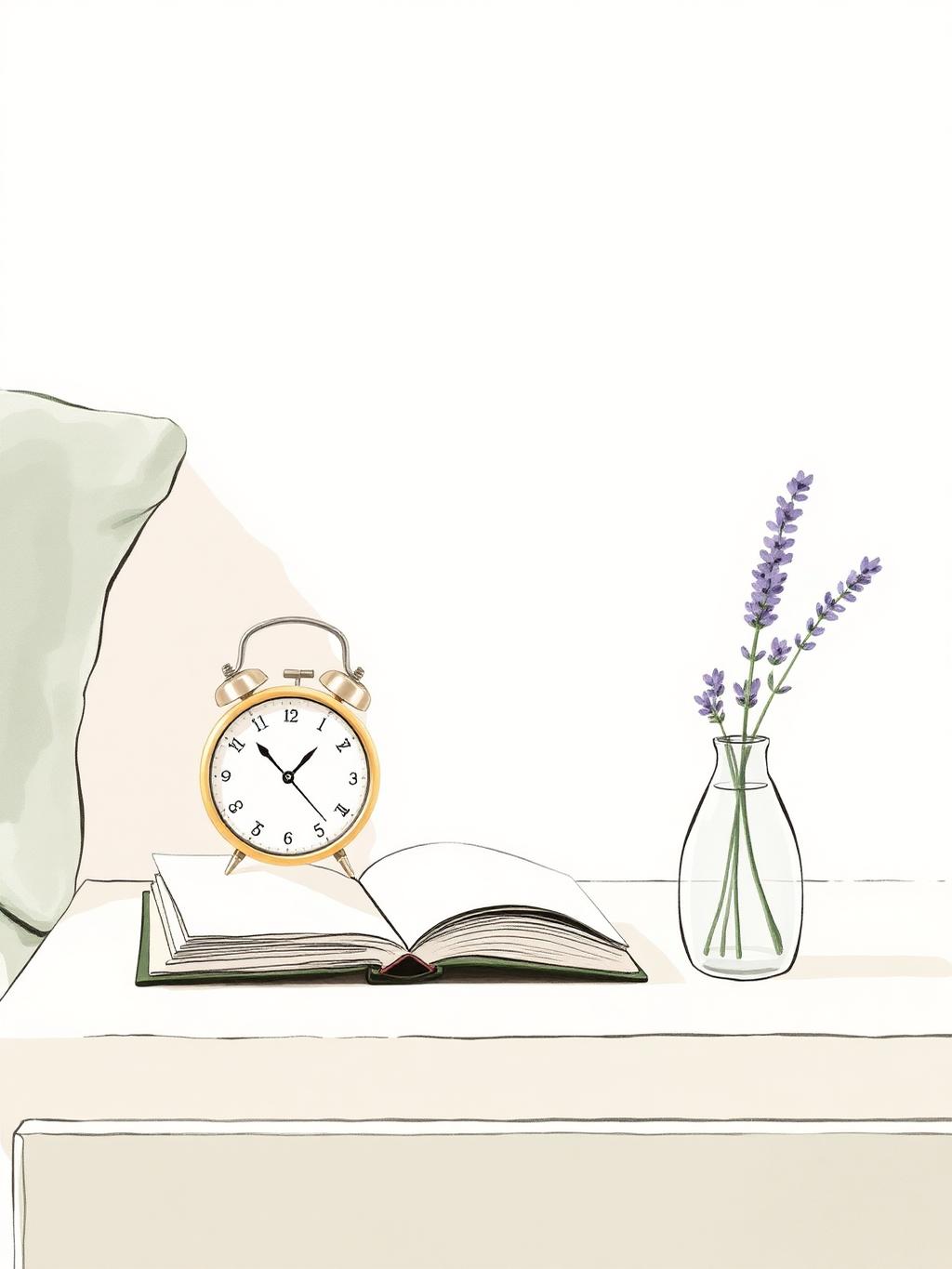
- Ditch the Clock Watching: Constantly checking the time when you can’t sleep just ramps up the anxiety. Turn your clock away or cover it up. You don’t need to know exactly how little sleep you’re getting.
- Screen-Free Zone: The blue light from phones, tablets, and TVs messes with your body’s natural sleep signals. Try to switch off screens at least an hour before bed. If you absolutely must use them, consider blue-light blocking glasses.
What You Eat and Drink Matters
What you consume, especially in the hours leading up to bedtime, can have a big impact on whether you stay asleep.
- Timing is Everything: Try to finish your main meal a good few hours before you plan to sleep. Your body works hard digesting, and it’s best if it can focus on resting instead.
- Watch the Booze: While a nightcap might help you drift off initially, alcohol often leads to disrupted sleep later in the night. It can dehydrate you and interfere with your natural sleep cycles.
- Mindful Munchies: Heavy, spicy, or sugary foods close to bedtime can lead to indigestion or blood sugar dips that can wake you up. If you need a snack, opt for something light and easy to digest.
Building Better Sleep Habits for the Long Haul
So, you’ve had some success with those quick fixes for those pesky 3am wake-ups. That’s brilliant! But to really get your sleep back on track for good, we need to think about building some solid habits. It’s not about perfection, it’s about consistency and finding what genuinely works for you.
The Power of a Relaxing Bedtime Ritual
Think of your bedtime ritual as a gentle signal to your brain and body that it’s time to wind down. It’s not about a long, complicated routine, but a few simple, calming activities you do every night. This helps condition your mind to associate these actions with sleep, making it easier to drift off and stay asleep.
- Warm Shower or Bath: A classic for a reason. It helps lower your body temperature afterwards, which is a natural sleep trigger.
- Light Reading: Pick up a physical book or magazine. Avoid screens, as the blue light can mess with your melatonin production.
- Gentle Stretching or Meditation: A few minutes of mindful movement or deep breathing can really calm a busy mind.
- Journaling: Jotting down any worries or thoughts can help get them out of your head and onto paper.
The key is to make this time yours. It’s a period of calm before the storm of sleep, a buffer against the day’s stresses. Don’t let it feel like another chore; make it a moment of self-care.
Making Your Bedroom a Sleep Haven
Your bedroom should be a sanctuary, a place dedicated purely to rest and relaxation. If it’s cluttered, too bright, or too noisy, it’s sending mixed signals to your brain. Let’s make it work for you.
- Darkness is Key: Invest in blackout curtains if streetlights or early morning sun are an issue. Even small lights from electronics can be disruptive. Consider covering them up or using a sleep mask.
- Keep it Cool: A slightly cooler room temperature is generally best for sleep. Experiment to find what feels right for you, but aim for comfortable, not cosy.
- Quiet Please: If you’re sensitive to noise, earplugs or a white noise machine can be a game changer. The goal is minimal disruption.
- Comfortable Bedding: Make sure your mattress and pillows are supportive and comfortable. Old, lumpy bedding won’t do you any favours.
Consistency is your best friend when it comes to building these habits. Aim to go to bed and wake up around the same time each day, even on weekends, as much as you can. This helps regulate your body’s internal clock, making sleep more predictable. Remember, it’s a journey, and small, consistent steps lead to big improvements over time. You might find that incorporating some morning light exposure helps set your body clock for the day ahead, making nighttime sleep easier.
So, what’s the takeaway?
Look, waking up at 3am isn’t fun, and it feels like it happens to half of us in midlife. But it doesn’t have to be the norm. We’ve chatted about a few things that might help, from eating a bit earlier to maybe trying a relaxing bath before bed. It’s not about finding some magic bullet, more about trying out a few small changes to see what makes a difference for you. Be kind to yourself through this – finding what works takes a bit of patience. Here’s hoping you get a few more solid hours of sleep soon.