Wellbeing
I Was 16 When the Pain First Dropped Me to the Floor. It Took 10 Years to Learn Why
I remember it with the kind of clarity you don’t choose. I was 16, walking through town after my GCSE exams, when a bolt of pain hit so hard it folded me in half. My friend and I had popped into a shoe shop - Shoe Express, back in the ’90s (it was the only […]
By Lucy · 5 August 2026
I remember it with the kind of clarity you don’t choose.
I was 16, walking through town after my GCSE exams, when a bolt of pain hit so hard it folded me in half. My friend and I had popped into a shoe shop – Shoe Express, back in the ’90s (it was the only shoe shop that stocked size 8 shoes on the shelf back in the day!!) I suddenly felt a bit weird all of a sudden, and ended up doubled over on the little bench where you try on trainers, gripping the edge like it could keep me upright.
The air conditioning was blasting down on my skin, but my body couldn’t decide what temperature it was. One second I was burning hot, the next I was shaky and freezing. I felt like I might throw up. I felt like I might pass out. Mostly, I felt confused. It felt like really bad period pain, but I’d only started my period at 15. Nobody had prepared me for pain and a reaction like this.
My friend didn’t know what to do, so she called my mum. The shop staff gave me water and hovered nearby, waiting for my adult to arrive and take over. When my mum got there, she helped me into the back seat of her car, and I lay down like I’d been winded. After about an hour, the pain eased off as suddenly as it had arrived.
And then it happened again.
The “attacks” that didn’t have a name
For years, I called them “attacks,” because that’s what they felt like. Something that came for me without warning, stole my breath, and then disappeared before anyone could catch it in the act.
I can’t even remember if I went to the doctor right after that first one. I think I was put on the pill at some point, and in my late teens it helped enough that I could get on with life. I did what most of us do when something improves: I stopped asking questions.
It wasn’t until my mid-twenties, when I came off the pill, that the attacks returned properly. And with them, the creeping fear of my own body.
They started showing up every couple of months. Sometimes I’d be out and about. Sometimes I’d be at home. And sometimes, worst of all, I’d be at work.
I still remember starting a new contract in Reading and feeling that familiar wave of pain hit on my second day. I tried to hold it together through the morning, telling myself it would pass, that I could breathe through it, that I could be normal. By lunch, I couldn’t pretend anymore.
I left on my break and made it home because I had to – because there wasn’t another option – but I wasn’t walking like a healthy person walking home from work. I was making my way back to my flat, inch by inch, trying not to panic, trying not to cry, trying not to imagine what it looked like from the outside.
The pain wasn’t just pain. It was a full-body event. It made me sweat. It made me shake. It made my vision blur. It made me feel like I was disappearing.
And it made me dread starting anything new.
New jobs. New colleagues. New commutes. New routines. All of it came with the same calculation: What happens if I have an attack? What happens if they think I’m dramatic? What happens if they think I’m unreliable?
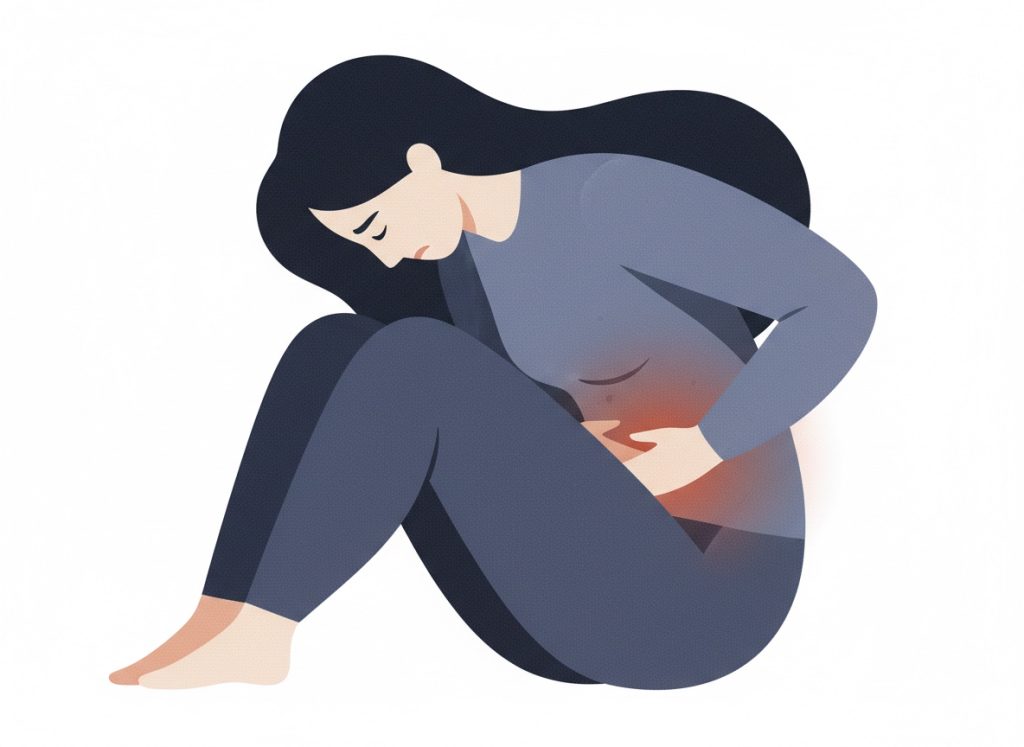
“Periods can be painful…”
I went to the doctor. Then I went again. Then again.
I tried to explain that this wasn’t just a bit of cramping. This wasn’t a hot water bottle situation. This was pain that took me to the floor, pain that made me feel like I might faint, pain that hijacked my life.
But the response was always some version of the same message: “periods can be heavy”, “periods can be painful.”
Often, the doctors I saw were men. And more than once, I got the look, the one that says you seem fine to me. One of them actually said it out loud: I looked so well. My vitals were good. I was young. I was functioning.
So I was offered different contraceptive pills. Different combinations. Different ways of managing symptoms without ever naming the cause.
At one point, I was told to take painkillers constantly around the time of my period. To “stay ahead of it.” So, reluctantly, I did what I was told. I watched the calendar and dosed up at the first hint of bleeding or pain, trying to prevent my body from doing what it kept doing anyway.
But it didn’t feel healthy. It didn’t feel like a plan. It felt like surrendering.
And underneath it all was the same thought: This can’t be normal.
The holiday that changed everything
The turning point came when I was on holiday with my boyfriend – my husband now – and I woke up feeling off. I had forgotten my painkillers so that familiar panic set in. He went down for breakfast while I stayed in the room, hoping it would pass.
It didn’t.
I made it to the bathroom, and suddenly I could barely see whilst vomiting. The pain was so intense it felt like the walls were closing in. My body went cold and unreal, like I was floating outside myself. I knew, with a kind of animal certainty, that I was about to pass out.
I left our hotel room – I don’t even remember what I was wearing, something like pyjamas or swimwear – and I clawed my way along the furniture in the hotel, gripping the backs of chairs in the dining hall just to stay upright long enough to reach him.
When I did, I collapsed onto him, causing a fun little scene for fellow diners.
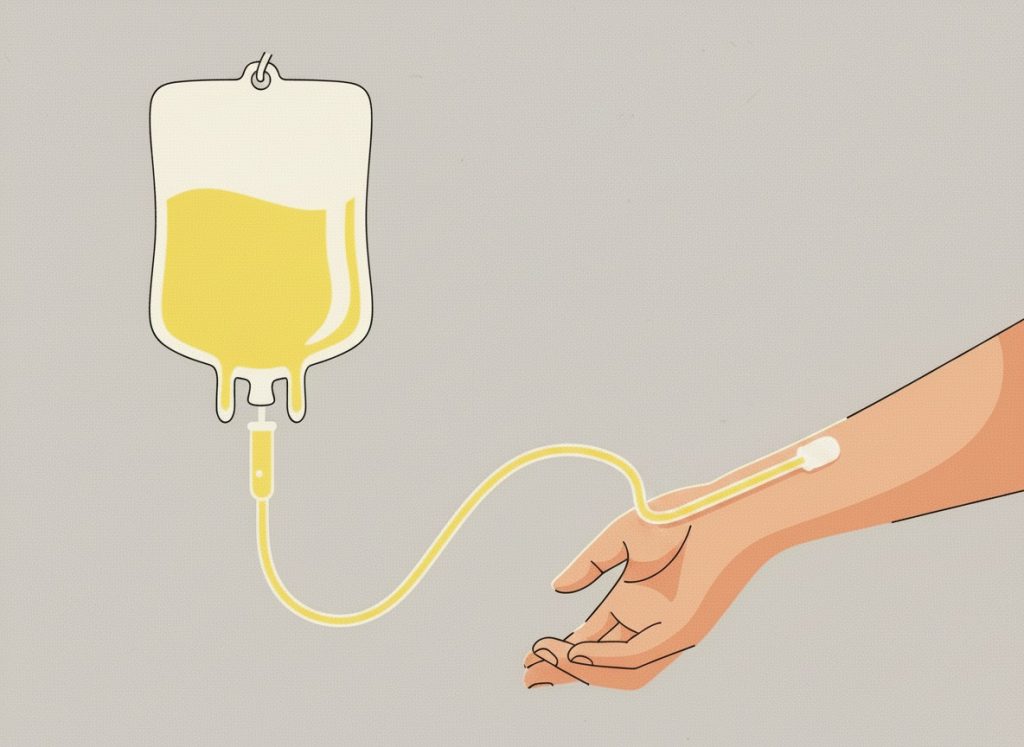
Then I was in the lobby lying on the cold leather couch, and luckily there was a doctor in the hotel. He scooped me into a wheelchair and wheeled me to his hotel surgery room. The next thing I remember is being on a drip in the hotel doctor’s office, this bright yellow fluid running into my veins. I suppose his first thought was that I was severely dehydrated, and to pump me some fluids. A couple of hours later, I was feeling fine again. Hydrated, stable, smiling politely like a person who hadn’t just been flattened by pain.
The doctor then drove me to a cash point so we could pay the doctor.
That’s one of the strangest parts of this kind of illness: the way you can swing from terrifying to normal so quickly that it makes other people doubt what they didn’t see. It makes you doubt it, too.
But when I got home, something in me hardened.
I demanded tests.
The answer that should have come sooner
This was about 10 years after that first shoe shop collapse. I was in my late twenties. I had an ultrasound, which showed nothing, so a laparoscopy was booked. Soon after, I had that laparoscopy on a day surgery basis.
And then, finally, I had a name for what had been happening to me.
Endometriosis.
During the procedure, they found scar tissue – a lot of it. They found my ovary and bowel fused together with adhesions. My body had been casually sticking itself to itself over time.
I asked the doctor one question. “Do you think my fertility has been affected?” And his answer: “I don’t think so.”
It’s hard to describe what it feels like to learn that the pain you’ve been minimised for has a physical explanation you could point to. Relief, yes. Validation, absolutely. Anger, too. The kind that arrives late, once you realise how long you spent doubting yourself because other people did.
After the surgery, I stopped having the attacks. The thing that had been stealing hours of my life at random finally let go.
And still, I can’t stop thinking about the decade it took to get there.
What is endometriosis?
Endometriosis is a chronic condition where tissue similar to the lining of the womb grows elsewhere (often in the pelvis), which can cause symptoms like severe period pain, pelvic pain, heavy bleeding, bowel/bladder symptoms, and fatigue – and it can be seriously life-disrupting even when someone “looks fine.”
In the UK, endometriosis is estimated to affect 1 in 10 women and those assigned female at birth of reproductive age (around 1.5 million people). Despite how common it is, diagnosis is often slow: Endometriosis UK reports an average diagnosis time of 9 years and 4 months in the UK (up from 8 years in 2020), which helps explain why so many people spend years being told their pain is normal before they get answers.
What I wish I’d known at 16
I’m 44 now. I’m also a mother of three, a home educator, and a blogging business owner living in the rural UK countryside – with a rat, a cat, and a dog. Life is busy and loud and full of the everyday chaos that comes with raising children.
But this story has been on my mind a lot lately for a different reason: I’m raising a daughter.
And I’m determined that she won’t grow up thinking she has to quietly endure pain because it’s just her period. I’m determined she’ll have words for what she’s feeling. I’m determined she’ll know the difference between discomfort and something that needs attention. I’m determined she’ll recognise medical gaslighting when it happens, and that she’ll have the tools to push back.
I’m very (painfully) open about periods in our house. With her. With my sons, too. Because I want all of my children to grow up understanding that menstrual health is health, full stop – and that pain isn’t a personality trait you’re meant to develop.
Here’s what I wish someone had told me when I was 16 and folded in half on a shoe shop bench:
- If your pain makes you faint, vomit, lose vision, or feel like you can’t stand, it deserves investigation.
- If you’re planning your life around painkillers, that’s a sign to ask bigger questions.
- If you’re told you “look well,” you’re allowed to say: “I’m not.”
- If something feels wrong, keep going back. Bring notes. Bring specifics. Bring someone with you if you can.
- You don’t need to be stoic to be taken seriously. You need to be heard.
I can’t get those 10 years back. I can’t rewrite the moments I had to leave work unannounced, or the holiday morning I passed out in front of my fellow holiday makers, or the appointments where I left feeling like I’d overreacted.
But I can tell the truth about what happened.
And I can make sure my daughter grows up knowing that her pain is real. Even if someone tries to convince her otherwise.