Wellbeing
Fast Food Ideas for the Days You Have Nothing Left
Understanding Your Body’s Changing Needs Why Nutrition Matters More After 40 So, you’ve hit the big 4-0. It’s not a disaster, but your body is definitely doing its own thing now. Metabolism slows down a bit, and you might notice muscle mass creeping away if you’re not careful. This means what you eat is even […]
By Lucy · 1 January 2026
Understanding Your Body’s Changing Needs
Why Nutrition Matters More After 40
So, you’ve hit the big 4-0. It’s not a disaster, but your body is definitely doing its own thing now. Metabolism slows down a bit, and you might notice muscle mass creeping away if you’re not careful. This means what you eat is even more important than before. Think of it as upgrading your fuel system. We need to be smarter about getting the right nutrients to keep everything running smoothly, from energy levels to keeping pesky health issues at bay like high blood pressure or even osteoporosis.
Hormonal Shifts and How They Affect You
This is where things get interesting, and sometimes a bit confusing. As we get older, our hormones start to do a bit of a dance. This can mess with your energy, your mood, and even where your body decides to store fat – hello, belly bulge! It’s not just in your head; it’s real. Your monthly cycle can also give you clues about what’s going on. Paying attention to these changes helps you figure out how to eat to feel your best, rather than fighting against your body’s natural rhythm.
Smart Eating Strategies for Busy Lives
Life in your 40s can feel like a juggling act, right? Between work, family, and just trying to keep everything ticking over, finding time to eat well can feel like a luxury. But it doesn’t have to be complicated. We’re talking simple, effective ways to fuel your body without adding more stress to your day.
The Rhythm of Intermittent Fasting
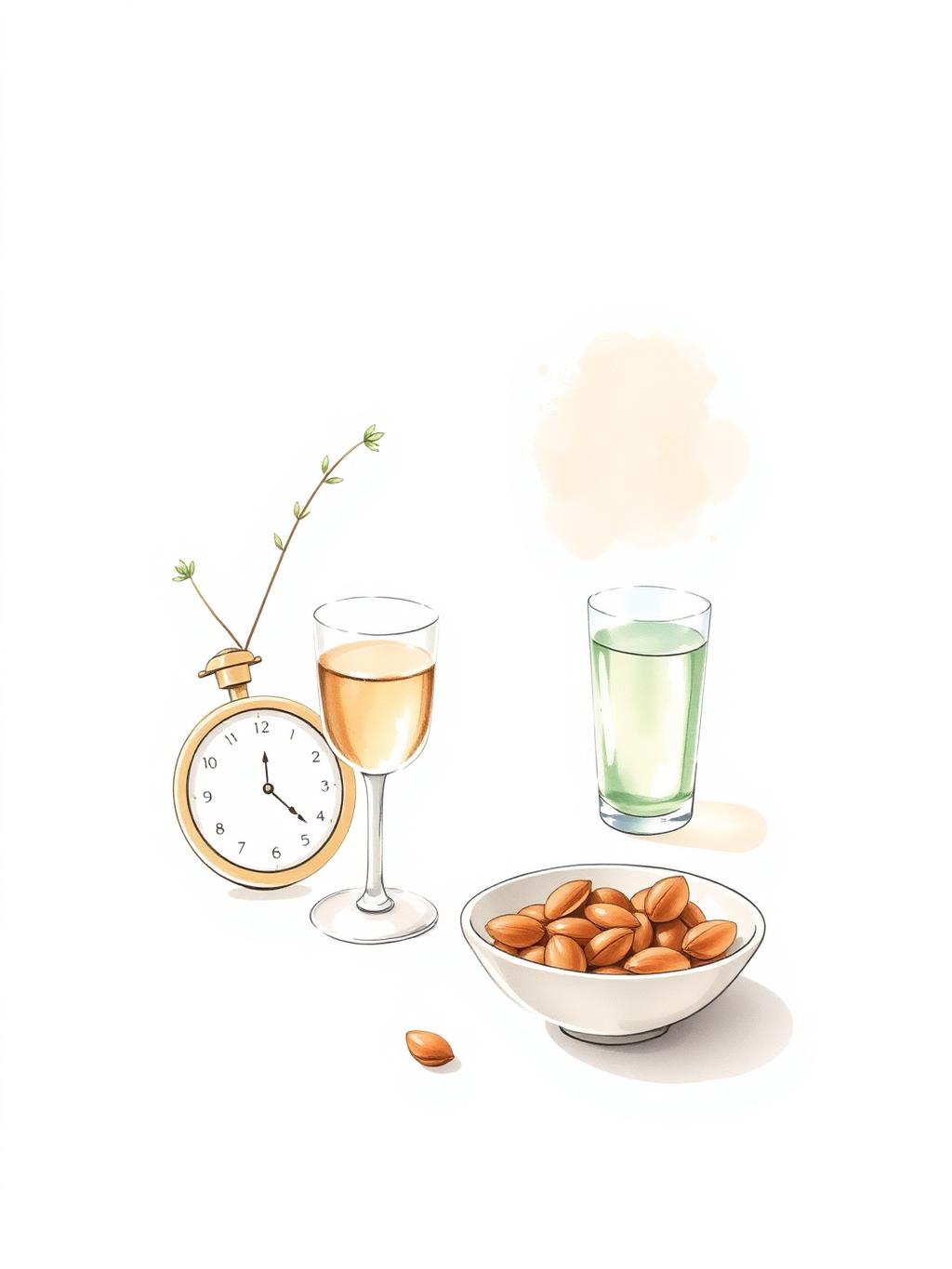
Intermittent fasting (IF) isn’t about starving yourself; it’s more about timing when you eat. Think of it as giving your digestive system a break. For many women, especially after 40, this can help with energy levels and even weight management. It’s not a one size fits all, though. The key is finding a pattern that works for you.
- 16:8 Method: This is a popular one. You fast for 16 hours and have an 8-hour window to eat. So, you might finish dinner by 7 PM and not eat again until 11 AM the next day. Most of that fasting happens while you’re asleep, which makes it easier.
- 14:10 Method: A gentler start. You fast for 14 hours and eat within a 10-hour window. This is great if you’re new to IF or find the 16-hour fast a bit much.
- Listen to Your Body: This is the most important rule. If you feel tired, dizzy, or just not right, it’s okay to adjust your fasting times or take a break. Your body will tell you what it needs.
Remember, fasting is a tool, not a punishment. It should fit into your life, not take it over. If it feels too hard, it’s probably not the right approach for you right now.
Fueling Up: What to Eat and When
When you are eating, making smart choices is key. Think of your meals as opportunities to give your body the good stuff it needs to keep you going.
Focus on nutrient-dense foods that keep you full and energised.
Here’s a quick guide:
- Protein Power: Aim to include a good source of protein with every meal. This helps keep you feeling satisfied and supports muscle mass. Think lean meats, fish, eggs, beans, lentils, or Greek yogurt.
- Healthy Fats: Don’t shy away from good fats. They’re important for hormones and keeping you feeling full. Avocados, nuts, seeds, and olive oil are your friends.
- Fibre Friends: Fibre is brilliant for digestion and helps stabilise blood sugar. Load up on veggies, fruits, and whole grains like oats and quinoa.
A Sample Eating Window (e.g., 12 PM – 8 PM):
| Meal | Focus |
|---|---|
| Lunch | Balanced meal with protein, veg, and carbs |
| Snack | Nuts or fruit with yogurt (optional) |
| Dinner | Lean protein, lots of colourful veg |
It’s all about making simple swaps and prioritising foods that give you sustained energy, rather than a quick sugar rush followed by a crash. You’ve got this!
Making Intermittent Fasting Work for You
So, you’re giving intermittent fasting a go. Brilliant! It’s not about being super strict, but finding a rhythm that suits you. Think of it less like a diet and more like a smart way to eat.
Finding Your Fasting Flow
Getting started doesn’t mean going from zero to hero overnight. Your body needs a bit of time to get used to new patterns. You might already be doing a 12-hour fast without even realising it, just by sleeping. That’s a great starting point!
- Start small: Try extending your overnight fast by an hour or two. See how you feel. Maybe aim for a 14:10 split (14 hours fasting, 10 hours eating) to begin with.
- Listen to your body: This is the most important bit. If you feel wiped out, anxious, or your sleep goes wonky, it’s a sign to ease up. Your body will tell you what it needs.
- Pick your window wisely: Are you a night owl or an early bird? Schedule your eating window around your life. If you finish dinner at 7 pm, aiming to eat again at 11 am the next day is a natural 16-hour fast. Easy peasy.
Remember, the goal is to feel more energised and healthier, not to add another stress to your already busy life. If it feels like a struggle, it’s probably not the right fit for you right now.
Tips for Staying on Track and Feeling Great
Making IF a habit is all about making it feel easy and natural. It’s about building confidence in your new routine.
- Hydration is key: Drink plenty of water, herbal teas, or even a pinch of salt in water during your fasting window. This helps manage hunger and keeps things running smoothly.
- Fuel up smart: When you do eat, make sure it’s good stuff. Think protein, healthy fats, and plenty of veggies. This keeps you full and provides the nutrients your body needs, especially after 40.
- Track your wins: Jot down how you feel. Are your energy levels better? Is your sleep improving? Noticing these positive changes will keep you motivated.
Consistency and patience are your best friends here. It might take a few weeks to really feel the benefits, so don’t get discouraged if it’s not perfect straight away. Your body is adapting, and that’s a good thing.
So, what’s the takeaway?
Look, navigating your 40s can feel like a bit of a whirlwind, can’t it? Between work, family, and just trying to remember where you put your keys, finding time to eat well can seem like a mountain to climb. But honestly, it doesn’t have to be complicated. Small changes, like prepping a few snacks or trying out a simple eating window, can make a real difference to how you feel. Don’t aim for perfection, just aim for progress. You’ve got this, and a little bit of fuel can go a long way.