Midlife Style
How to Rebuild Your Wardrobe in Your 40s (Without Throwing Everything Out)
Taking Stock Of What You Have Understanding Your Current Lifestyle Right, first things first. Before we even think about buying anything new, I need you to have a good, honest look at how you actually spend your days now. Forget how you used to live, or how you wish you lived. Think about your commute […]
By Lucy · 8 December 2025
Taking Stock Of What You Have
Understanding Your Current Lifestyle
Right, first things first. Before we even think about buying anything new, I need you to have a good, honest look at how you actually spend your days now. Forget how you used to live, or how you wish you lived. Think about your commute (or lack thereof), your work, your social life, your hobbies, even just your weekend lounging. If you’re mostly at home, or constantly on the go with the kids, your wardrobe needs to reflect that reality. Trying to force a professional wardrobe onto a stay-at-home parent just doesn’t work, does it?
I find it helpful to jot down a rough breakdown of my week. It doesn’t need to be fancy, just a quick list:
- Work (office, home, hybrid?)
- Errands and appointments
- Socialising (casual drinks, dinners out?)
- Family time
- Hobbies and exercise
- Lounging at home
This honest assessment is the bedrock of a wardrobe that actually serves you. It stops you from buying things you’ll never wear.
The goal here isn’t to judge your current life, but to understand it. Your clothes should be tools that help you move through your day with ease, not obstacles.
Creating Your Personal Style Vision Board
Once you’ve got a handle on your lifestyle, it’s time to think about how you want to present yourself. This isn’t about chasing trends; it’s about defining what makes you feel good. I like to create a visual board – think Pinterest, or even just a folder on my phone. I save images of outfits, colours, textures, even just general moods that catch my eye. Don’t overthink it. Look for patterns. Are you drawn to certain colours? Silhouettes? A relaxed vibe or something a bit more polished?
This board acts as your personal style compass. It helps you see what you’re naturally attracted to, which is super useful when you’re trying to decide what to keep and what to let go of in your wardrobe. It’s your guide for what you truly want your clothes to say about you now.
The Gentle Wardrobe Edit
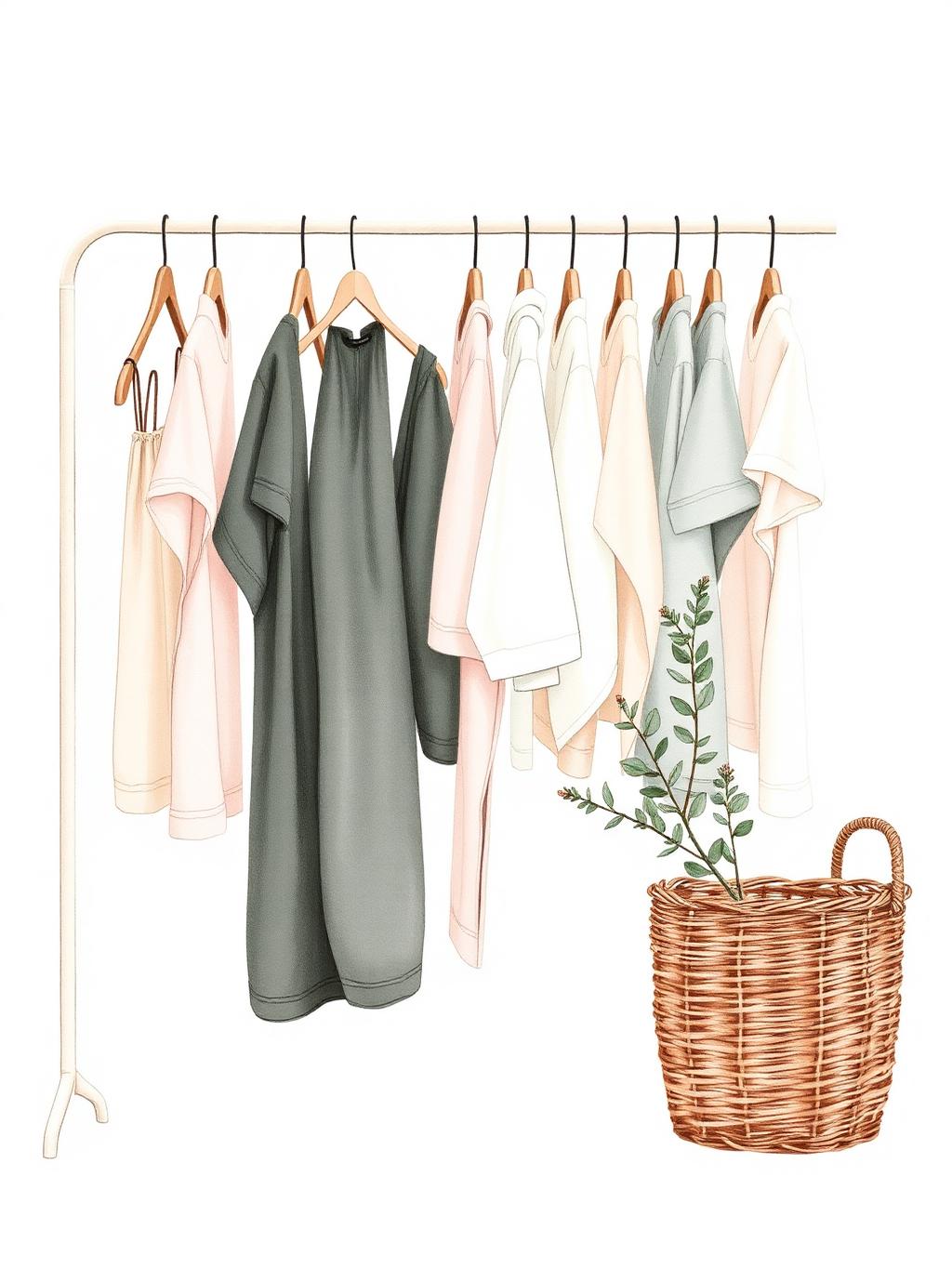
Right, so now we’ve got a clearer idea of what we’re aiming for, it’s time to actually look at what’s lurking in our wardrobes. This isn’t about a brutal purge; it’s more of a friendly chat with your clothes. Think of it as a decluttering session, but with a bit more kindness involved. We’re not aiming for a minimalist, stark space overnight, but rather a collection of items that make you feel good and actually work for your life right now.
Trying Everything On For Clarity
This is the bit that can feel a bit daunting, but honestly, it’s where the magic happens. Grab a cuppa, put on some music you like, and set aside a couple of hours. Don’t try to do it all in one go if that feels overwhelming. Start with one section, maybe tops or trousers. Pull out each item, one by one. Now, try it on. Seriously, put it on. How does it fit? Does it feel comfortable? Does it make you feel a bit ‘meh’ or does it give you a little spark? Pay attention to how the fabric feels, if it pinches anywhere, or if it’s just not quite the right shape anymore. This is your chance to really connect with your clothes and see them for what they are, not what you wish they were.
Sorting With The Keep, Maybe, No Method
As you try things on, have three piles ready: Keep, Maybe, and No. The ‘No’ pile is for anything that’s damaged, doesn’t fit, or you just know you’ll never wear again. Be honest with yourself here. The ‘Keep’ pile is for the items that fit well, feel good, and align with the style vision we talked about. The ‘Maybe’ pile is for those tricky items. Maybe they’re a bit dated, maybe you’re not sure how to style them, or maybe they’re sentimental but not practical. For the ‘Maybe’ pile, try putting them in a box or bag, label it with a date a few months from now, and stash it away. If you haven’t reached for anything from that box by the time the date comes around, it’s probably time to let them go. This method helps you be decisive without feeling like you’re making permanent decisions right away.
The goal isn’t to get rid of everything, but to make space for the clothes that truly serve you and make you feel confident. It’s about curating a wardrobe that reflects who you are today, not who you were ten years ago.
Here’s a quick way to think about your piles:
- Keep: Fits well, feels good, suits your current lifestyle and style vision.
- Maybe: You’re unsure. Needs tailoring, a specific occasion, or you haven’t worn it in a while. Put these aside for a trial period.
- No: Doesn’t fit, damaged, uncomfortable, or simply doesn’t align with your current style or needs. Time to say goodbye.
Rebuilding With Intention
Letting Go Of What No Longer Serves You
Right, so you’ve done the hard bit and sorted through everything. Now, what about those items that just don’t fit your life anymore? It’s not about being harsh; it’s about being honest. If something’s been hanging there for years, gathering dust and making you feel a bit rubbish every time you see it, it’s probably time to say goodbye. This isn’t about throwing out memories, but about making space for clothes that actually make you feel good now.
Your wardrobe should support you, not weigh you down. Letting go of what no longer fits your current life, your body, or your style is a freeing experience. It clears the path for clothes that truly serve you.
When it comes to items that don’t fit, whether that’s physically or just in terms of your lifestyle, consider these options:
- Donate: Good condition items can go to charities. Places like Dress for Success or local shelters are always grateful. It’s a nice way to give your clothes a second life.
- Sell: For higher-value pieces, you could try selling them. Think about local consignment shops or online platforms. Just be realistic about the time and effort involved.
- Recycle: If items are beyond repair, look for textile recycling programs. Many high street stores offer these now.
Making Space For What You Truly Need
After the clear-out, take a moment. How does your wardrobe feel? Is it lighter? Less stressful? Now, think about what’s actually missing. Don’t rush to fill the gaps. Instead, let your lifestyle and your style vision board guide you. Maybe you need more comfortable layers for everyday errands, or perhaps a pair of trousers that fit perfectly and make you feel put-together. Focus on quality over quantity. It’s about finding those versatile "glue pieces" that tie outfits together, like a great pair of jeans or a simple, well-cut blazer. Building a cohesive colour palette can make mixing and matching much easier, ensuring you have outfits ready to go without much fuss.
So, what now?
Right then, we’ve done the hard graft, haven’t we? It’s not about having a wardrobe that looks like it’s straight out of a magazine, but one that actually works for you, right now. Remember, it’s okay to change, your body changes, your life changes – and your clothes should too. Don’t feel pressured to get it all perfect straight away. Just take it one step at a time, and soon enough, you’ll have a closet that makes getting dressed feel less like a chore and more like a little bit of joy. You’ve got this.