You & Your People
Making Friends in Your 40s Is Harder Than Anyone Admits
No one really prepares you for how weird friendship can feel in your 40s. You look up one day and realise: At the same time, the friendships that do feel safe and easy become absolutely priceless. The friend you can message “I’m losing my mind today” without explaining. The one who doesn’t need you to […]
By Lucy · 27 June 2026
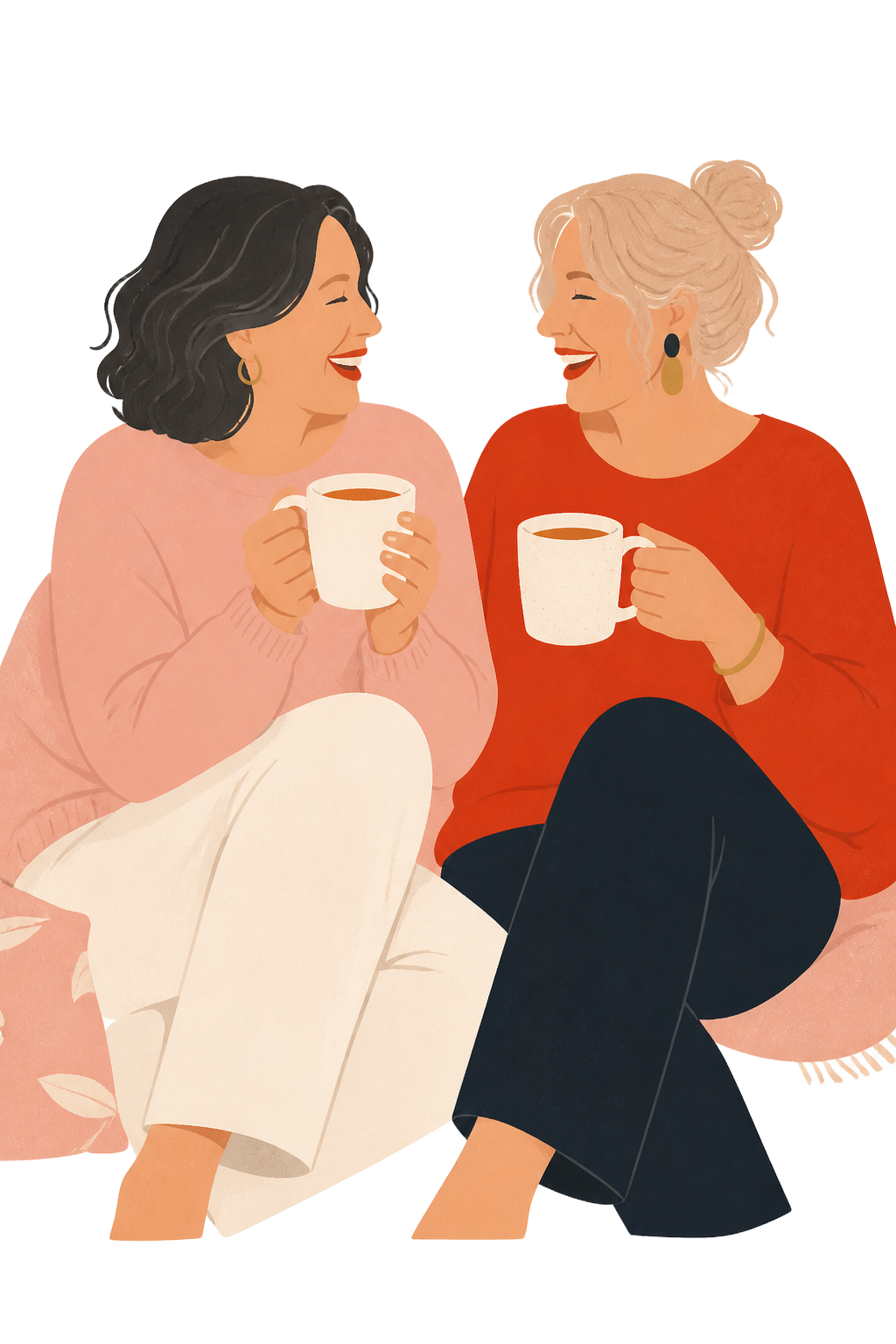
No one really prepares you for how weird friendship can feel in your 40s.
You look up one day and realise:
- Some friendships have quietly faded
- Some feel hard work or one‑sided
- Some people you thought would be there forever just… aren’t
- And you’re not entirely sure how to make new friends when your life is already full of work, kids and sheer exhaustion
At the same time, the friendships that do feel safe and easy become absolutely priceless. The friend you can message “I’m losing my mind today” without explaining. The one who doesn’t need you to be shiny or impressive. The one who just gets it.
Midlife friendship is messy and beautiful and sometimes painful. Let’s talk about it honestly – making new friends, keeping the ones that matter, and gently letting go of the ones that don’t fit anymore.
Why Friendship Feels Different in Your 40s
It’s not just you. The whole context of friendship changes.
In your 40s, you’re often:
- Juggling work, kids, partners, ageing parents, health, hormones
- Dealing with perimenopause, anxiety, low energy, brain fog
- Carrying a mental load that could fill a small warehouse
That means:
- You have less time and energy for constant messaging, big nights out, or high‑maintenance dynamics
- You’re less tolerant of drama and more drawn to calm, kind people
- You’re more aware of your own needs, boundaries and limits
Friendships that were built on:
- Going out all the time
- Being in the same job or stage of life
- Having kids the same age
…might not automatically work anymore. And that can feel sad, confusing, or even a bit lonely.
But it can also be an opportunity to build friendships that actually fit who you are now.
Keeping the Friendships That Really Matter
Not every friendship needs to be saved. But some absolutely are worth nurturing – even if life is busy.
These are usually the ones where you feel:
- Safe to be honest (even when you’re not okay)
- Seen and understood, not judged
- Able to pick up where you left off, even after gaps
- Like you can show up as your midlife, tired, messy self
A few ways to keep those friendships alive when you’re both stretched:
1. Lower the Bar (In a Good Way)
Friendship doesn’t have to look like:
- Weekly brunches
- Constant WhatsApps
- Perfectly remembered birthdays
It can look like:
- Voice notes while you walk the dog
- A “thinking of you” text with no expectation of an instant reply
- Seeing each other once every few months, but really being there when you do
Give each other permission to be busy, tired, and inconsistent – without reading it as a lack of care.
2. Say the Quiet Part Out Loud
Sometimes the kindest thing you can do is be honest:
- “I’m in a really overwhelmed season, but I care about you.”
- “I know I’ve been quiet – it’s not you, I’m just at capacity.”
- “I love you, but I can’t be on my phone all the time right now.”
Good friends will understand. And they might feel relieved you said it, because they’re probably feeling the same.
3. Create Tiny Rituals
Big plans are hard to sustain. Tiny rituals are easier:
- A monthly coffee or walk
- Watching the same show and texting each other about it
- A Friday “how are we really?” check‑in message
It doesn’t have to be grand to be meaningful.
Making New Friends in Your 40s (Yes, It’s Awkward)
Making new friends as an adult can feel like dating without the script.
You don’t want to seem too keen. You don’t want to be rejected. You’re not even sure what you’re looking for – you just know you’d like more people in your life who get this stage.
A few gentle ways to open that door:
1. Start with “Friend‑Adjacent” People
Think about:
- Other parents you chat to at the school gate
- People you see regularly at work, classes, or clubs
- Online connections who feel like “your people”
You don’t have to go from “hi” to “soulmates” in one leap. Just take it one small step further:
- Suggest a coffee after drop‑off
- Message someone you like online and say, “I really relate to what you share”
- Ask a colleague if they fancy a walk at lunch
2. Lead with Real, Not Perfect
Midlife friendships are built on honesty, not performance.
Instead of pretending you’ve got it all together, try:
- “I’m permanently tired at the moment – how are you doing?”
- “I’m finding this stage of life a lot – anyone else?”
- “I’m trying to get out for a walk every day, want to join me sometime?”
You’ll be amazed how many women exhale when someone else goes first.
3. Accept That Not Everyone Will Be Your Person
Some people will stay “school gate chat” level. Some will be “work friend” level. Some will become “I can cry on your kitchen floor” level.
All of that is okay.
You don’t need loads of deep friendships. A couple of solid, safe ones can be enough.
Letting Go (Without Making Yourself the Villain)
This is the hardest bit.
Sometimes, a friendship that used to fit… just doesn’t anymore.
Maybe:
- The dynamic is always one‑sided
- You leave interactions feeling drained, criticised or small
- Your values or lifestyles have shifted in completely different directions
- You’re doing all the emotional labour, and they’re never really there for you
Letting go doesn’t have to mean a dramatic “friend breakup” (unless something serious has happened). Often, it’s more of a gentle stepping back.
You might:
- Reply less often, with less detail
- Stop initiating plans and see what happens
- Protect your energy by keeping certain topics off the table
It can feel selfish. It can trigger guilt. But it’s also an act of self‑respect.
You’re allowed to outgrow friendships. You’re allowed to choose peace over obligation. You’re allowed to protect your already‑stretched nervous system.
When Friendship Loss Feels Like Grief
Losing a friendship – even slowly – can hurt as much as a breakup.
You’re not silly for feeling:
- Sad
- Angry
- Confused
- Nostalgic
You shared versions of yourselves that no one else saw. You went through seasons together. It’s normal to grieve that.
A few things that can help:
- Naming it as grief – not just “I should be over it”.
- Talking about it with someone you trust.
- Letting yourself remember the good bits without needing to fix it.
You don’t have to hate someone to accept that they’re not meant to be in your inner circle anymore.
The Friend You Are to Yourself
This all sounds a bit cheesy, but it’s true: midlife is often the first time we really notice how we talk to ourselves.
If your inner voice is:
- Criticising your body
- Telling you you’re a bad friend
- Replaying every awkward interaction
…it’s going to be hard to feel safe in any friendship.
A tiny reframe:
- Would I speak to a friend like this?
- Would I expect a friend to be perfect, always available, never tired?
- Would I tell a friend she’s failing because she can’t keep up with everything?
Probably not.
You deserve the same softness you give everyone else.
You’re Not the Only One Figuring This Out
If your friendship life in your 40s looks like:
- A couple of rock‑solid people you’d trust with anything
- A handful of “we should catch up!” people you rarely see
- Some old friendships that feel a bit… off
- A quiet longing for one or two more people who really get this stage
You are so far from alone.
Most women I know in midlife are:
- Tired
- Overloaded
- Craving connection
- Unsure how to fit it in
Your next tiny step:
- Send one honest message to someone you already like:
- “I really value you, even if I’m quiet a lot.”
- “Fancy a walk/coffee soon? No pressure if not.”
- Or gently acknowledge to yourself that a certain friendship has run its course – and give yourself permission to stop pouring energy into it.
Midlife friendship isn’t about having a huge group or constant plans. It’s about having a few people you can be real with – in leggings, on the sofa, with unwashed hair and a brain full of tabs.
And if you’re working on making your whole midlife feel more like you, you might also like:
- Finding Yourself Again in Midlife: Tiny Ways to Put You Back on the List
- Perimenopause 101: The Symptoms No One Warned Us About